
How to Capture Beautiful Photos of Your Dog in the Snow
How to Capture Beautiful Photos of Your Dog in the Snow
There is something magical about dogs in the snow.
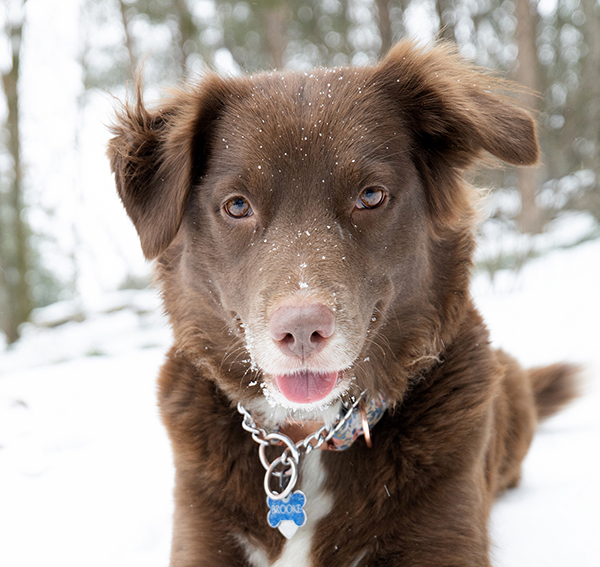
The way they bound through it with pure joy, noses dusted white, eyes bright and alive. Snow has a way of slowing us down and inviting us to notice moments we might otherwise rush past. It can also create some of the most meaningful photos of your pup if you know what to look for.
Whether you are using a phone or a camera, these simple tips will help you capture images that feel joyful, natural, and full of personality.

Let Your Dog Be a Dog
Let them run, dig, sniff, roll, or hop through the snow. Watch what they naturally do and follow that. The magic is in the in between moments. Ears flying, tails mid wag, snow kicked up around their paws.

Tip: Start photographing before your dog is tired. The first few minutes outside are usually when the excitement is at its peak.
Get Low (Really Low)

Snow photos feel more connected when you photograph from your dog’s eye level.
Instead of shooting down at them, kneel, sit, or even lie in the snow if you are able. This instantly creates a stronger connection in the image and helps the background fall away so your dog becomes the focus.
Bonus: Snow reflects light beautifully and softly brightens your dog’s face.
Keep the Background Simple
Snow is already visually powerful, so let it do the work.
Look for clean backgrounds like open fields, snowy yards, or quiet wooded areas. Try to avoid busy elements like parked cars, fences, or heavy footprints that pull attention away from your dog.
A little untouched snow goes a long way.
Focus on the Details
Not every photo needs to show your whole dog.
Some of the most meaningful images come from the small details:
Snow dusted whiskers
Paw prints trailing behind them
A curious nose investigating a snowbank
Ears framed by falling flakes

These moments tell the story of who your dog is and what this day felt like.
Watch the Light (Cloudy Is Your Friend)
Bright sun reflecting off snow can be harsh and cause squinting.
Overcast days are ideal for snow photos. The light is soft, even, and flattering. Your dog will also be more comfortable.
If the sun is out, try placing your dog with the sun behind them to avoid harsh shadows.
Keep It Short and Fun
Cold paws mean shorter attention spans.
Aim for quick bursts of photos rather than a long session. A few minutes at a time keeps things playful and prevents your dog from getting uncomfortable.
Bring treats or a favorite toy if needed, but sometimes simply calling their name is enough to get that perfect expression.
One of my friend photographers put it perfectly.
If your dog is modeling for you, they deserve to get paid.
Treats are your dog’s paycheck for showing up, paying attention, and giving you their best expressions. The more generously you reward them, the more relaxed, engaged, and willing they tend to be.
Snow is exciting and distracting. A steady flow of rewards helps keep the experience fun and positive, and it makes capturing great photos so much easier.

Don’t Worry About Perfection
Snow melts. Dogs get muddy. Moments pass.
The goal is not perfection. It is presence. The joy, the silliness, the connection. These are the images you will treasure long after the snow is gone.
And if you would rather be in the moment than behind the camera, that is exactly why professional pet portraits exist. To preserve these fleeting seasons beautifully, without pressure.
Snow days do not last forever, but the memories can.
Bundle up, slow down, and let your dog lead the way.


